
Disaster survival
Insured to Fail
Why most businesses fail to survive a disaster. Six years of research and interviews with 86 businesses that never reopened or closed within three years. Reached #1 on Amazon's business bestseller list in June 2021.
Start a conversationThe Employer Success Program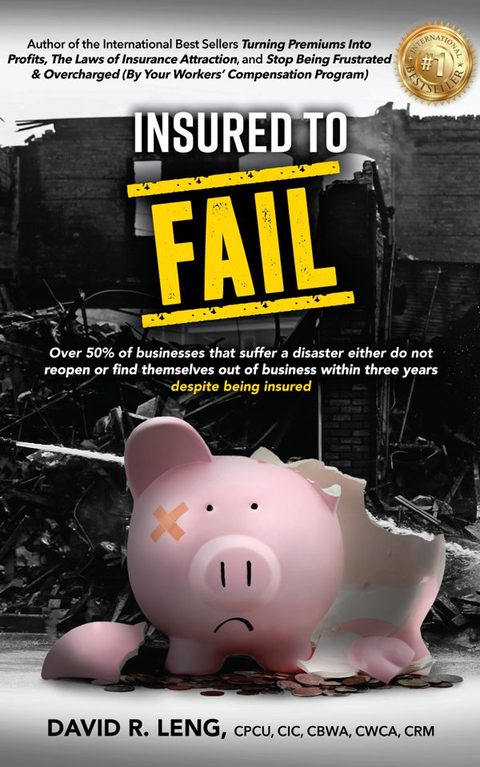
Would you bet your entire business on the flip of a coin?
No rational business owner would. The statistics say many of them already are.
Most businesses hit by a significant disaster either never reopen or close within three to five years. FEMA states that 40% fail to reopen after such an event, and 25% close within one year.
The scarier number comes from the Insurance Institute for Business & Home Safety. Slightly over 25% of insured businesses do not reopen, and another 25% go out of business within three years. That figure does not even contemplate natural disasters on the scale of Hurricane Katrina.
The coin is in the air.
What it looks like when a business does reopen
Three of them burned. All three had insurance before the fire. Each one found out afterwards whether it was the right insurance.
CCF Industries. A spark lit a spray booth filter on an April morning in 2014, the dust collector pulled the burning particles into the ducts, and the roof was coming down in under ten minutes. All 33 employees were already outside, because of an evacuation plan built three weeks earlier. Under his old program Ken Clifton would have been about $1.3 million short just to rebuild, and more than $2 million short of what it took to keep the business going and hold onto his customers. It was an $8.3 million loss. CCF is still in business today.
Kirsopp Auto Body. The fire started in a three-year-old furnace in November 1997 and took the roof, most of the walls and everything inside. A month later the adjuster told Jack Kirsopp to put his 18 people on unemployment. Nobody missed a paycheck in the 9½ months it took to rebuild, because his business income coverage had been written six months earlier to include their payroll.
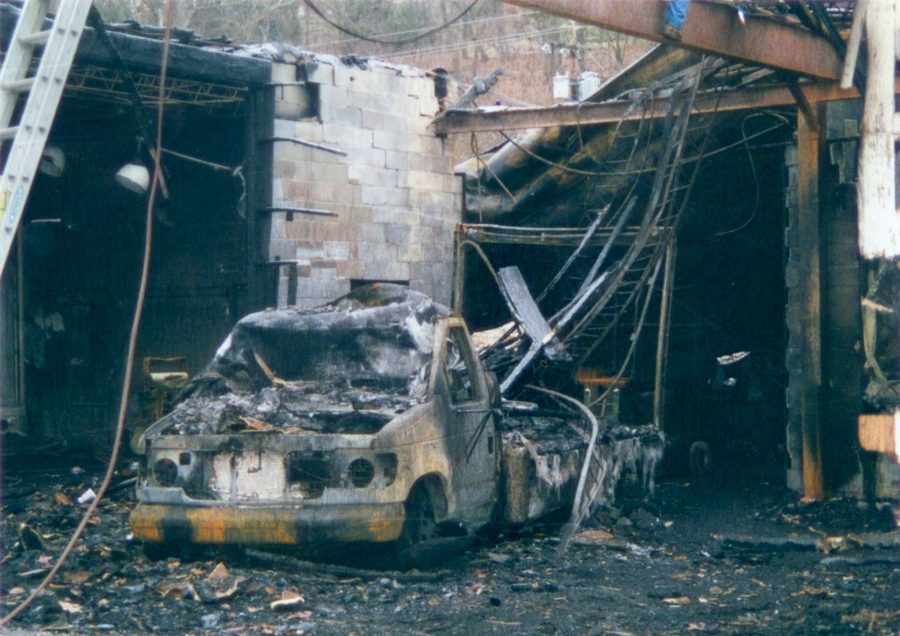
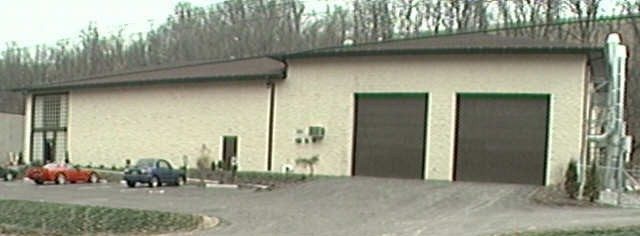
An auto repair shop. With the front wall and roof gone and the foundation cracked, the code officer ruled that the three walls that never burned had to come down too. The undamaged portion came to about $204,000 and the demolition added $38,000. A standard property policy pays for neither. Tony Vecchio had taken the program that covered it, about $1,000 a year more than the one that did not.
When do you want to find out you have a problem: before your disaster or after it? You are probably thinking, "I am fine right now. I have insurance that will pay to replace my building, equipment, inventory, computers."
The statistics say you are leaving your fate to chance. Wouldn't you want to know for sure?
Why are there so many failures? The answers come straight from six years of research and interviews with 86 businesses that failed to reopen or closed within three years. Almost three dozen more were interviewed that barely survived their catastrophe by pouring hundreds of thousands to millions of dollars of their own money back into the business. The book walks through what you should do so you do not become a statistic yourself.
Get your copy
Buy on Amazon First two chapters (2021 sample)
The other books are at davidleng.com/books.
Where the Employer Success Program comes in
It starts with a Diagnostic and Plan. We read your loss runs, your mod worksheet and your key contracts, and we talk with the people who run the work. You get the pattern behind your claims and a short list of what's worth fixing first.
From there our claims, HR, safety and fleet people work alongside yours, and you get a Score Card at the start and every year after, measured against your own starting point.
Start with a conversation
Tell me what's going on. I read these myself and reply within two business days. If there's nothing worth fixing, I'll tell you that too.
Rather pick a time now? Book a 30-minute call on my calendar. It's on Teams.